
Why Field Operations Network Reliability Matters for Public Safety
- Preston Miller
- Feb 5
- 4 min read

When seconds count, reliable communication can mean the difference between life and death. In public safety, dependable network connectivity is not just a convenience - it is an absolute necessity. Whether coordinating emergency response teams, dispatching first responders, or managing critical incidents, field operations network reliability ensures that vital information flows seamlessly and without interruption.
In this post, I’ll walk you through why network reliability is so crucial for public safety, share real-world examples, and offer practical tips to help agencies and teams maintain strong, consistent communication when it matters most.
Understanding Field Operations Network Reliability
Field operations network reliability refers to the consistent performance and availability of communication networks used by public safety personnel in the field. This includes everything from radios and mobile data terminals to cellular and satellite connections.
Why is this so important? Because public safety teams operate in unpredictable environments. They face challenges like:
Remote or rugged terrain with limited coverage
High network traffic during emergencies
Power outages or infrastructure damage
Interference from weather or physical obstacles
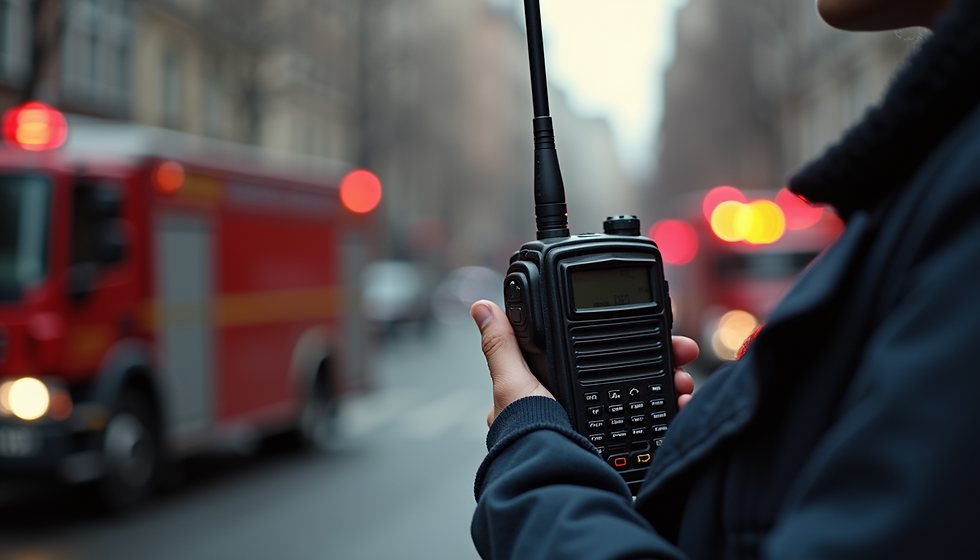
When networks fail or falter, responders can lose critical situational awareness, delay response times, or even put lives at risk. Reliable networks ensure that dispatchers, officers, firefighters, and medical teams stay connected and informed.

The Impact of Network Reliability on Emergency Response
Imagine a wildfire spreading rapidly through a community. Firefighters need real-time updates on fire behavior, evacuation orders, and resource deployment. If their communication network is unreliable, messages may be delayed or lost, leading to confusion and slower response.
In contrast, a reliable network allows:
Instant voice and data communication between teams
Access to live video feeds and mapping tools
Coordination with multiple agencies simultaneously
Quick adjustments to tactics based on evolving conditions
This level of connectivity can save lives and property by enabling faster, smarter decisions.
Consider the 2017 California wildfires, where some agencies struggled with overloaded networks. The lessons learned highlighted the need for field operations network reliability that can handle surges in demand without dropping connections.
How to Ensure Network Reliability in the Field
Maintaining reliable networks in the field requires a combination of technology, planning, and ongoing management. Here are some actionable recommendations:
Use Redundant Communication Systems
Relying on a single network is risky. Deploy multiple communication channels such as LTE, satellite, and radio to provide backup options.
Invest in Rugged, Portable Equipment
Devices designed for harsh environments reduce the chance of failure during critical moments.
Implement Mesh Networking Solutions
Mesh networks allow devices to connect directly to each other, creating a self-healing network that can reroute traffic if one node fails.
Regularly Test and Update Systems
Conduct drills and network stress tests to identify weaknesses before an emergency occurs.
Train Personnel on Communication Protocols
Clear procedures ensure that everyone knows how to use the network effectively and troubleshoot common issues.
Monitor Network Performance in Real-Time
Use monitoring tools to detect outages or congestion early and respond proactively.
By following these steps, agencies can build resilient communication systems that stand up to the demands of public safety operations.

The Role of Plug-and-Play Systems in Enhancing Reliability
One of the biggest challenges in public safety communications is complexity. Systems that are difficult to set up or maintain can lead to downtime and errors. This is where plug-and-play solutions shine.
Plug-and-play systems are designed for quick deployment with minimal configuration. They offer:
Easy installation in vehicles or command centers
Automatic network switching to maintain connectivity
User-friendly interfaces for rapid adoption
Scalability to add more devices as needed
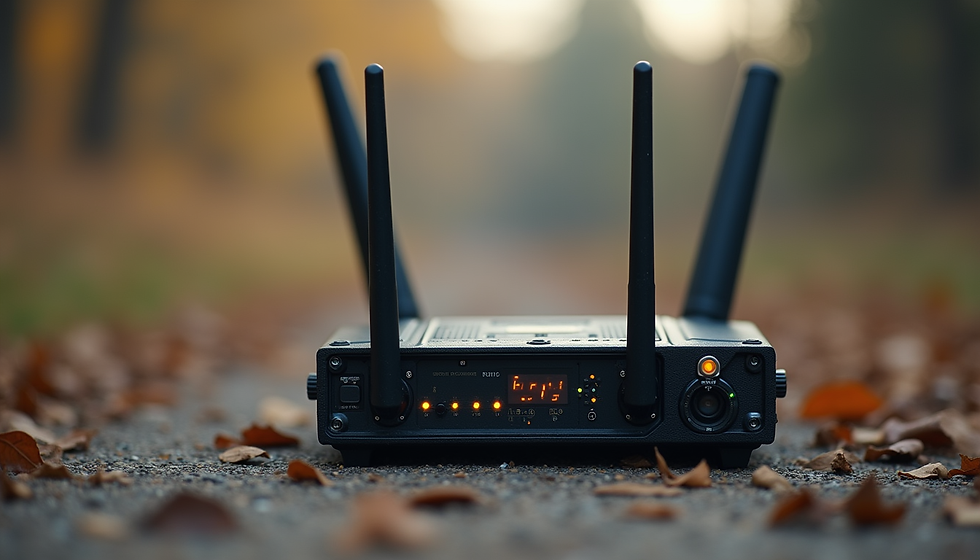
For example, ResponseMesh provides plug-and-play connectivity solutions that ensure critical communication is never interrupted. Their systems are built to be simple, reliable, and always-on, making them ideal for first responders who need dependable networks without the hassle.
Preparing for the Future of Public Safety Communications
As technology evolves, so do the demands on public safety networks. Emerging trends like 5G, IoT devices, and AI-powered analytics promise to enhance situational awareness and response capabilities. However, these advances also require even more robust and reliable networks.
To stay ahead, agencies should:
Plan for network upgrades that support higher bandwidth and lower latency
Integrate new technologies with existing communication infrastructure
Collaborate with technology providers to customize solutions for specific needs
Prioritize cybersecurity to protect sensitive data and maintain trust
By investing in network reliability today, public safety teams can be ready for the challenges of tomorrow.
Building Trust Through Reliable Communication
At the end of the day, reliable communication builds trust - between responders, agencies, and the communities they serve. When networks work flawlessly, teams can focus on their mission without worrying about dropped calls or lost data.
Reliable networks empower responders to act quickly, coordinate effectively, and save lives. They are the backbone of modern public safety operations.
If you want to learn more about how to improve your communication systems, check out ResponseMesh for innovative solutions designed specifically for public safety and field operations.
By prioritizing field operations network reliability, public safety agencies can ensure that when emergencies strike, their teams have the communication tools they need to respond with confidence and speed. Reliable networks are not just technology - they are a lifeline.

Comments