
First Responder Connectivity in 2025: What the Field Actually Demands — and How to Deliver It

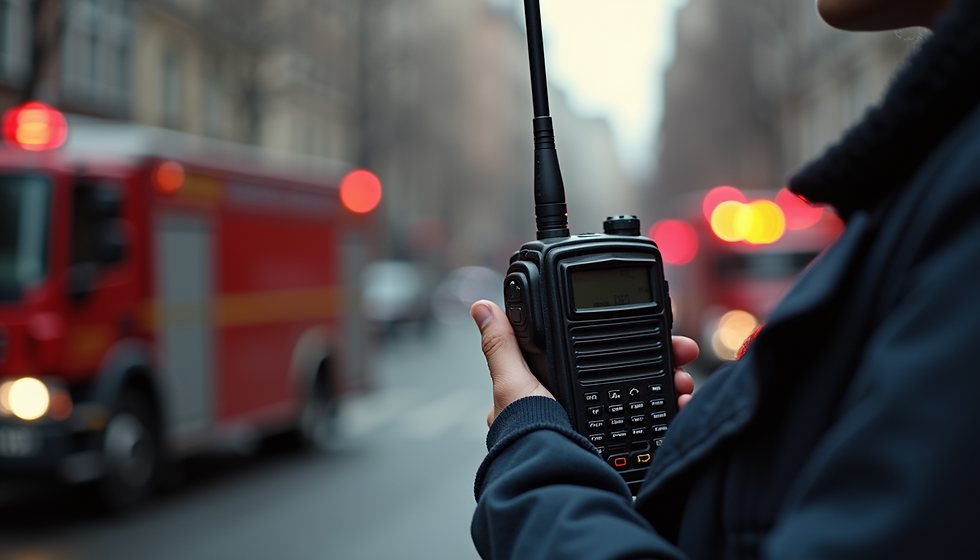
First responder connectivity has changed fundamentally in the last decade. What once meant a reliable radio channel now requires a full broadband stack capable of streaming video, processing AI analytics, and delivering real-time data to every device on scene.
According to NPSTC, data demands per first responder have increased by 400% since 2018. Body cameras, drone feeds, GPS tracking, CAD systems, and telemedicine tools all compete for bandwidth on the same network.
Yet in 29% of rural U.S. land areas, adequate broadband infrastructure still does not exist (FCC, 2023). Additionally, 57% of tribal nations report inadequate emergency communications infrastructure (NCAI, 2022).
This guide covers what first responder connectivity must deliver in 2025, the technologies supporting that demand, and how agencies can build a strategy that closes the gap.
What First Responder Connectivity Must Deliver in 2025
These are not preferences — they are operational requirements for agencies deploying modern emergency tools.
6 Non-Negotiable First Responder Connectivity Requirements
Low latency — under 100ms for real-time video, AI-assisted dispatch, and voice applications
High bandwidth — minimum 20 Mbps per active unit for video, GPS, and CAD systems
Geographic reliability — consistent performance from urban environments to rural dead zones
Automatic resilience — seamless failover without manual intervention
Security — AES-256 encryption and zero-trust architecture across all devices
Operational simplicity — must function without technical expertise during emergencies
The Technology Stack Powering First Responder Connectivity in 2025
Multiple technologies now serve public safety agencies, each playing a specific role in the connectivity ecosystem.
Tier-1 First Responder Connectivity Technologies
FirstNet — AT&T’s dedicated public safety broadband network serving 21,000+ agencies (2023)
T-Priority — T-Mobile’s priority access layer on 5G infrastructure
Multi-carrier LTE/5G bonding — combines 2–4 carriers for redundancy and speed
Starlink LEO satellite — backup or primary connectivity in remote and disaster scenarios
Iridium Certus — global coverage, including polar regions, with dedicated throughput
The First Responder Connectivity Gap That Still Exists
Despite advancements, significant connectivity gaps remain across the United States.
29% of rural U.S. land lacks reliable broadband (FCC, 2023)
57% of tribal nations report inadequate emergency communications infrastructure (NCAI, 2022)
Many budget-constrained agencies operate hardware 5–8 years beyond its effective lifespan
These gaps directly impact response times and outcomes, particularly in underserved communities.
Vehicle-Based Platforms Are Closing the First Responder Connectivity Gap
Purpose-built vehicle connectivity platforms are emerging as one of the most effective ways to address these challenges.
What a Modern Vehicle Connectivity Platform Provides
Simultaneous bonding of multiple LTE carriers with integrated satellite failover
Dedicated encrypted Wi-Fi for onboard personnel and MDT devices
Remote diagnostics and centralized fleet monitoring
Rugged hardware designed for extreme environments
Plug-and-play deployment without the need for specialized IT staff
Building a First Responder Connectivity Roadmap for Your Agency
A structured approach ensures agencies avoid reactive decisions and maintain consistent coverage.
4-Step First Responder Connectivity Roadmap
1. Assess
Map all geographic coverage gaps based on response zones and incident types
2. Prioritize
Identify which units face the highest connectivity risks
3. Procure
Evaluate vendors based on CISA guidelines and FirstNet compliance
4. Deploy and Monitor
Use remote management tools to maintain real-time visibility across the fleet
ResponseMesh: First Responder Connectivity for 2025 Operations
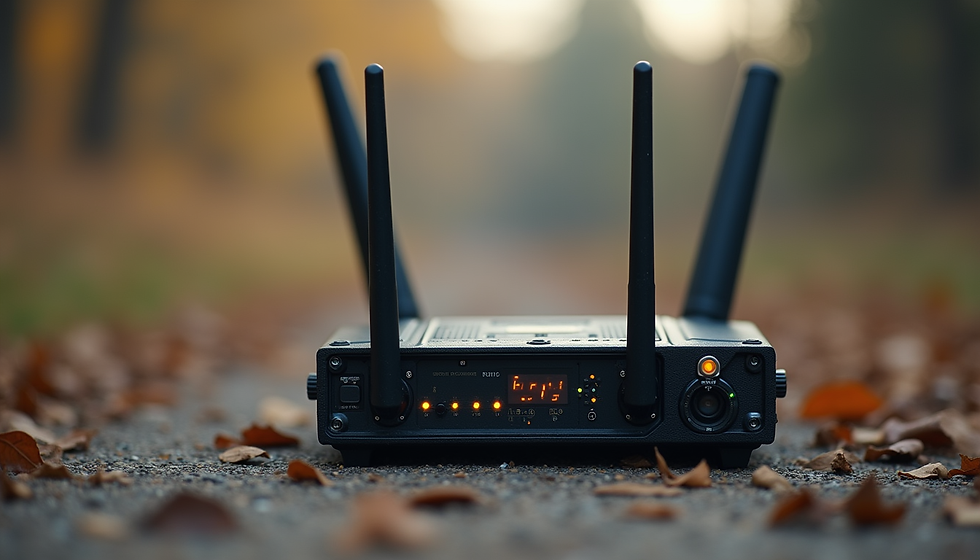
ResponseMesh was built around the real-world demands of modern first responder connectivity.
The platform combines:
Multi-carrier LTE bonding
Integrated satellite failover
Centralized fleet monitoring
Rugged, field-ready hardware
All layers of the connectivity stack are unified into one platform, allowing agencies to focus on operations instead of managing multiple systems.
Final Thoughts
First responder connectivity in 2025 requires more than just access — it requires reliability, resilience, and adaptability across every environment.
Agencies that invest in layered, modern connectivity solutions will be better equipped to respond faster, operate safely, and maintain communication under any conditions.

Comments